
Light pollution and protecting the dark skies is currently a big issue and organizations such as the International Dark Sky Association (IDA) are taking steps in order to tackle this global problem.
“Millions of children will never see the Milky Way”
– International Dark Sky Association (IDA)
Today the increasing population of people living on this earth, and an increase in artificial light sources has resulted in a large amount of light pollution across the globe. This means that in order to see the Milky Way, people have to travel far away from home.
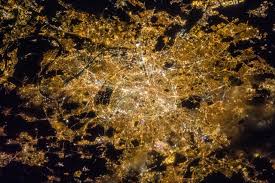
What is Light Pollution?
Light pollution is anywhere with an unnecessary and excessive amount of artificial light. There are four main components:
- Urban Sky Glow- The brightening of the night sky over areas which are uninhabited
- Light Trespass- Light falling on areas where is it not wanted or needed
- Glare- Excessive brightness which can decrease visibility and cause unnecessary visual discomfort
- Clutter- Groups of artificial lighting which can be bright, confusing and unnecessary.
What are the consequences of light pollution?
- Wildlife– The rhythm of day and night is programmed naturally into the DNA of most species. This cycle has been disrupted by humans due to the introduction of artificial light. It disrupts the world´s ecosystems, as predators use light to hunt and prey use darkness to cover. Baby sea turtles are being distracted away from the sea and towards artificial lighting and birds are migrating at the wrong time due to confusion between natural and artificial light.
- Health- Human health is being affected as light pollution is having a negative effect on sleep. We are not experiencing a truly dark night which can lead to sleep disruption and potential health issues such as obesity, depression, sleep disorders, diabetes and more.
- Energy- Light pollution wastes money and energy. In the US alone it is predicted that 30% of all outdoor lighting is wasted, which ultimately adds up to approximately $3.3 billion dollars wasted and 21 million tones of unnecessary carbon dioxide released into the atmosphere every year (IDA, 2016) People concerned with environmental responsibility are looking at taking action to help reduce these figures.
- Safety- It was originally thought that artificial lighting helped to reduce street crimes; however this has been shown not to be true. A 2015 study published in the Journal of Epidemiology and Community Health found that streetlights do not prevent accidents and crimes, but they do cost a lot of money.
- Heritage- The night sky is thought to be a magnificent natural resource and until recently, our human ancestors were able to experience a night sky full of stars. The night sky itself is thought to have been a vital source of inspiration to many artists such as Van Gogh as well as in history, philosophy and literature; including some of Shakespeare´s most famous sonnets.
Solutions
The good news is that there are solutions to help dealing with light pollution. Making changes to help reduce lighting wastage is a good way to start. This can involves steps such as:
- Installing good quality lighting
- Fully shielding outdoor lighting and directing light to the ground rather than pointing up to the sky
- Switching off unnecessary indoor lighting
- Installing ´motion sensored´ lighting in homes and streets
In addition to the changes individuals can make, there are many organizations around the world that create “Dark Sky awareness” and a list of these can be found here. Additionally, according to the International Dark Sky Association (IDA) there are 37 dedicated places around the world which promote and recognize excellent stewardship of the night sky through responsible lighting and public education.
International dark sky week: This was originally created in 2003 by high school student Jennifer Barlow and has now become a key worldwide event. It is held in April around the same time as Earth day and Astronomy day and is designed to draw attention to problems associated with light pollution and help to implement solutions.
Dark skies and light pollution were also an important topic highlighted in the International Year of light 2015 (IYL2015) which was a collection of worldwide events and celebrations to create awareness in the world of photonics and optics. More information on the IYL2015 can be found here.
Conclusion
Dark skies are something that not many people have truly experienced. In a world full of excessive artificial lighting, light pollution has become a major issue which many organizations such as the IDA are trying to resolve.
Light pollution can affect wildlife, human health, heritage and safety. However there are steps that both an individual and major organizations can take to help reduce the effects.
Photon transfer works in the world of photonics and provides an open innovation marketplace for new technologies in photonics. Some emerging technologies are helping lighting to become more energy efficient and reduce environmental impact like this OLED technology available for transfer.
Alternatively visit our website to see how we bridge the gap between science and market: http://photontransfer.com/