
New technologies for water treatment
In today´s world, the water treatment industry is an important one. Water plays an important role in many industries whether it is raw water, processed water or wastewater. Water needs to be treated to ensure that its properties and quality is supporting the industrial process it is used for.
There are several trends among industries; as with many businesses and industries there is a desire to cut costs and become more efficient. The recycling and reuse of water is now an emerging trend which can lead to cost reductions whilst simultaneously helping the environment.
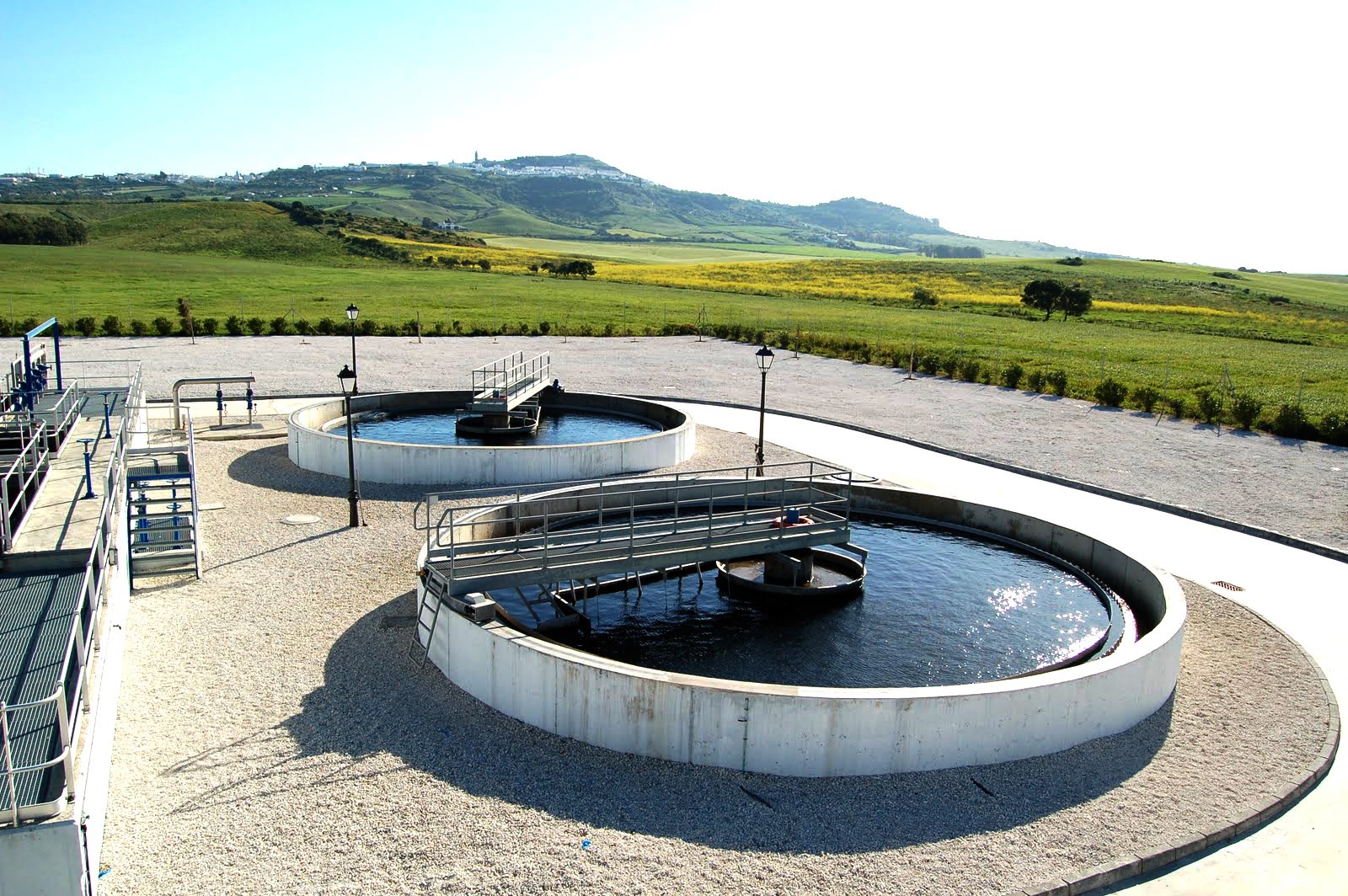
New technologies are helping to achieve these objectives, revolutionizing the industry and creating a more sustainable solution. Here are 5 ways in which new technology is doing this:
Smart Monitoring
Water leaks are costly for companies, risk pollution and waste precious water resources. It doesn´t make sense to invest billions in reservoirs or other large scale plants or water catching facilities.
New electronic sensors can connect wirelessly to cloud based monitoring systems which means they can detect and pinpoint leaks very quickly, such as the ion-selective optical fiber sensor available here.
Nanotechnology
According to the World Health Organization, 1.6 million people die each year from diarrheal diseases due to lack of safe drinking water and basic sanitation.
Nanotechnology is a revolutionary way to filter water using nano-particles which emit silver ions that destroy water contaminants. This technology is being developed by researchers in India and means that low cost water purification is something that may be a possibility in the near future.
Membrane Chemistry
The use of membranes in water filtration has been around for many years; however this area is constantly undergoing research and development. It works as the pores of water pass through super fine membranes filtering out elements such as bacteria or contaminants.
Recent breakthroughs in this treatment are developing to make this filtration process more affordable.
Wastewater Processing
New technology in wastewater systems is needed to develop more compact, efficient waste water systems. There are still many areas worldwide running on ineffective sewerage systems, where wastewater is often discharged, untreated into rivers and estuaries.
The new technologies are looking into transforming the waste water into energy generation or process into drinking water.
Mobile recycling facilities
There has been investment into reverse osmosis units that will allow companies to treat high volumes of water.
To be more cost effective, technologies are looking at developing smaller and more portable systems in order to provide more cost effective solutions to water treatment.
Conclusion
To conclude, water treatment is a huge industry which can benefit from a number of emerging technologies.
The types of technology available include smaller units, more efficient systems, sensors, nanotechnology and membrane chemistry. Some of the emerging technology uses photonics, with many new listings available here.
With clear advantages including increased efficiency and a more positive impact on the environment, water treatment industries should be looking at embracing new technology to help with business, environment and waste water systems of the future.